For a B2B or professional services business, social media’s real value in 2026 isn’t reach - it’s familiarity. Prospects and their colleagues are quietly scanning your LinkedIn, your website and your reviews long before they ever get in touch, and a large majority of B2B buyers now use AI tools during that research too. Social media is one of the main ways you show up in that quiet research phase.
Forget reach, think familiarity
It’s easy to judge social media by follower counts and post reach, because those are the numbers platforms put in front of you. But for most professional services and healthcare businesses, the real value is happening earlier and more quietly than that - it’s whether the person evaluating you (and often the two or three colleagues they’ll loop in) already recognise your name and trust what they’ve seen from you.
This lines up with the wider shift in how buying decisions get made. Recent research indicates the vast majority of B2B buyers are now using AI tools somewhere in their decision-making process, and separate research from LinkedIn’s B2B Institute and Bain & Company found deals succeed far more often when the broader buying group - not just one contact - already knows the brand. Social presence is one of the clearest, lowest-cost ways to build exactly that kind of familiarity over time.
Different platforms, different jobs
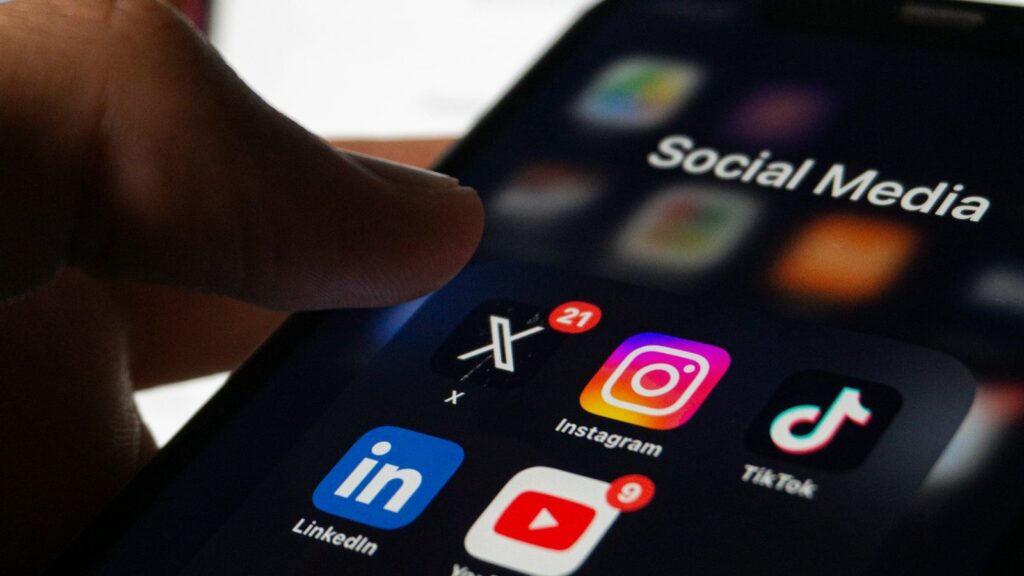
Treating every platform the same is one of the most common mistakes we see. Each one is genuinely doing a different job:
- LinkedIn is where professional services and B2B thought leadership actually lands - commentary, genuine expertise, and the kind of post a prospect’s colleague might screenshot and send around internally.
- Instagram and Facebook tend to work better for local visibility and warmth - particularly for healthcare and patient-facing businesses, where a human, approachable presence matters as much as expertise.
- Repurposing content across platforms without adapting it rarely works well. The tone, length and framing that lands on LinkedIn usually falls flat on Instagram, and vice versa.
What compliance-safe social looks like
For healthcare, medical and other regulated clients, social media carries a few extra constraints worth naming plainly: no guaranteed outcomes, no unproven claims, and testimonials about clinical results need to be handled carefully even when they’re genuine and glowing. None of this rules social media out - it just means the content needs a compliance-aware eye before it goes out, which is exactly the layer a lot of generic social media advice misses.
What to actually expect
Social media rarely closes a deal on its own, and it’s not meant to. Its job is to build enough familiarity and credibility that when someone is ready to reach out - often after researching quietly for weeks or months - you’re already a known, trusted name rather than a cold introduction. Judged against that job, rather than against follower growth, it’s usually doing more work than it gets credit for.
FAQs
Is social media worth the time for a B2B or professional services business?
Yes, but judged on familiarity and trust-building rather than direct lead volume. It’s a slower, compounding channel rather than an instant one.
Which platform should a professional services business prioritise?
LinkedIn, for most B2B and professional services businesses. Instagram and Facebook are typically more valuable for local, patient-facing or community-oriented businesses.
How do we handle social media in a regulated industry like healthcare?
Every post should be checked against advertising guidelines relevant to your sector (AHPRA and TGA rules for Australian healthcare) before publishing - particularly around outcome claims and testimonials.