
Community-led growth means building visibility through real relationships - referral partners, local networks, existing customers - rather than paid reach alone. In 2026, it matters more than ever: AI tools now recommend businesses based on who’s already talking about them, not just who’s spending the most on ads.
Community is bigger than your follower count
When most people hear “community marketing,” they picture a Facebook group or a loyal Instagram following. That’s part of it, but for a small business or a professional services practice, the more valuable community is usually offline, or at least off-platform: the referral partners who send you clients, the industry association you’re a member of, the other businesses in your building, and the customers who’d genuinely recommend you if someone asked.
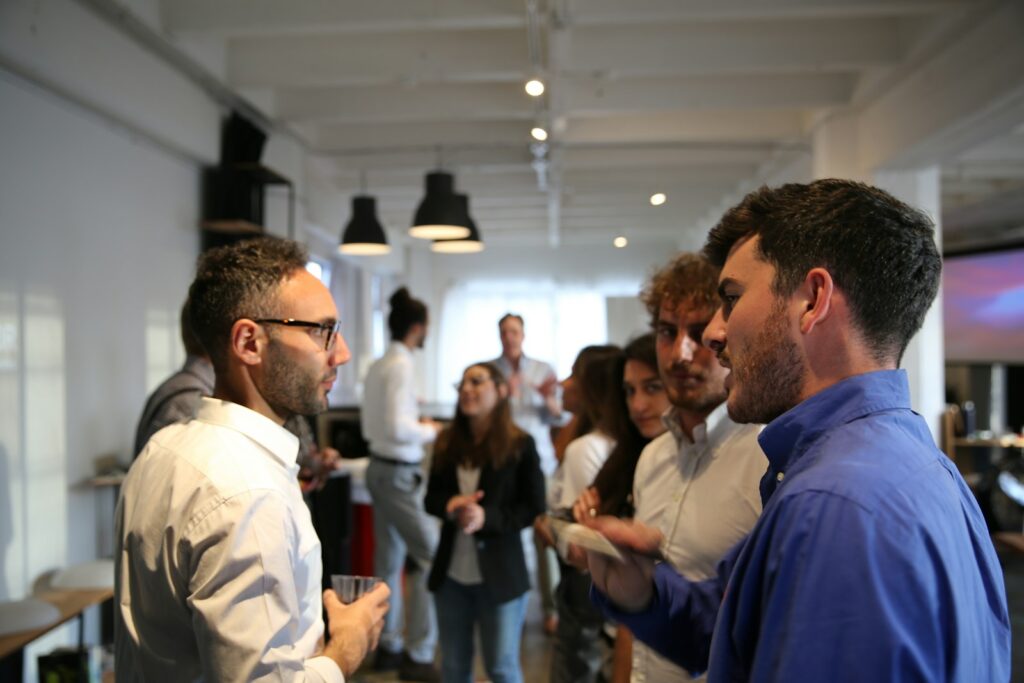
We work out of a coworking space ourselves, and it’s a useful reminder of this every week. Some of the best introductions we’ve made this year didn’t come from a campaign - they came from a conversation in the kitchen with another founder who happened to know someone who needed exactly what we do. That’s community-led growth in its simplest form, and it scales further than it sounds once you start being deliberate about it.
Why being known now matters more than being seen
There’s a shift happening that’s worth naming plainly: AI tools like ChatGPT and Gemini don’t discover businesses the way a search engine used to. They retrieve from what already exists - reviews, mentions, expert commentary, and the conversations people are already having about you online. If you’re not part of that existing conversation, you’re simply not in the running when someone asks an AI tool for a recommendation.
Research from LinkedIn’s B2B Institute and Bain & Company backs this up at a larger scale: deals close dramatically more often when the wider buying group - not just the main point of contact - already recognises the brand, compared to when only a handful of people do. Being talked about and recommended now carries more practical weight than website traffic, because that’s the actual signal AI systems are working from.
The upshot for a small business is reassuring, not intimidating: this isn’t about outspending anyone. It’s about making sure the people already in your orbit are actually talking about you.
Four ways to build this deliberately
- Ask for the introduction, not just the testimonial. A five-star review is nice; a warm introduction to someone who needs you is worth more. Make it easy for happy clients to do this.
- Show up consistently in one or two real communities, rather than thinly across many - a local business network, an industry association, a coworking space. Consistency is what turns acquaintances into advocates.
- Keep your Google Business Profile current. It’s still one of the simplest, highest-leverage things a local business can do, and it’s often the first place both people and AI tools check for legitimacy.
- Co-market with a complementary business. A joint event, a shared resource, or a simple cross-promotion works well when the audiences genuinely overlap and neither business is competing for the same budget.
A quick local SEO refresh
None of this replaces the fundamentals - it sits on top of them. Make sure your business is verified and complete on Google Business Profile, your name/address/phone details are consistent everywhere you’re listed, and you’re collecting reviews naturally rather than in a single rushed batch. These are still the basics that make local and community visibility work together instead of against each other.
FAQs
Is community-led growth realistic for a small business with no marketing team?
Yes - arguably it’s the most realistic starting point, since it depends on relationships and consistency rather than budget. The main cost is time and follow-through.
Does community engagement actually affect SEO or AI visibility?
Indirectly, yes. Reviews, mentions, and local citations all feed into how both search engines and AI tools assess whether a business is genuinely established and trustworthy in its area.
How long does it take to see results from this kind of approach?
Slower than a paid campaign, typically, but more durable. Most businesses see the compounding effect build over two to three quarters of consistent activity.